Cycling gilet manufacturer
cut to sit close over the race fit jersey.
We develop race fit cycling jerseys, short sleeve and long sleeve, on a pattern drafted in the riding posture.
For product leads at performance cycling brands, technical directors at cycling federations and technical leads of race teams. Each sample is checked on the bike in race position, and you receive the graded pattern, the panel map and a spec pack your own production line can run from.
Send your jersey brief and size chart. Within 48 hours of a complete brief, the feasibility review comes back with three answers: can the jersey be built to your spec, which block and base fabrics we would start from, and when the first sample would be cut.
We develop two race fit garments: the short sleeve race fit cycling jersey and the race fit long sleeve cycling jersey. Both are drafted on the same riding-position logic and both can be developed in men's and women's versions, each on its own base block.
Who brings us a race fit jersey, and what they bring it for:
A new race line, a race fit jersey added beside an existing club range, or a current race jersey that needs a new pattern before next season.
One race fit jersey pattern for several squads, developed once and then used for each squad's colours and decoration.
A jersey the riders already race in, reworked on the riding block, or a new race-day jersey.
Where the work is done. The jersey passes three workstations in one studio: the pattern table draws the riding block, grading and panel map; the sample station sews and measures; the D65 colour station matches strike-offs and signs colour cards. The team is on our about page.
Our race fit cycling jersey sits close to the body, with no loose fabric across chest, back or sleeves in race position.
How tight: close enough that nothing flaps or folds on the bike, with no pull at the shoulders or collar when the rider reaches for the bars.
We set that fit on five points of the pattern:
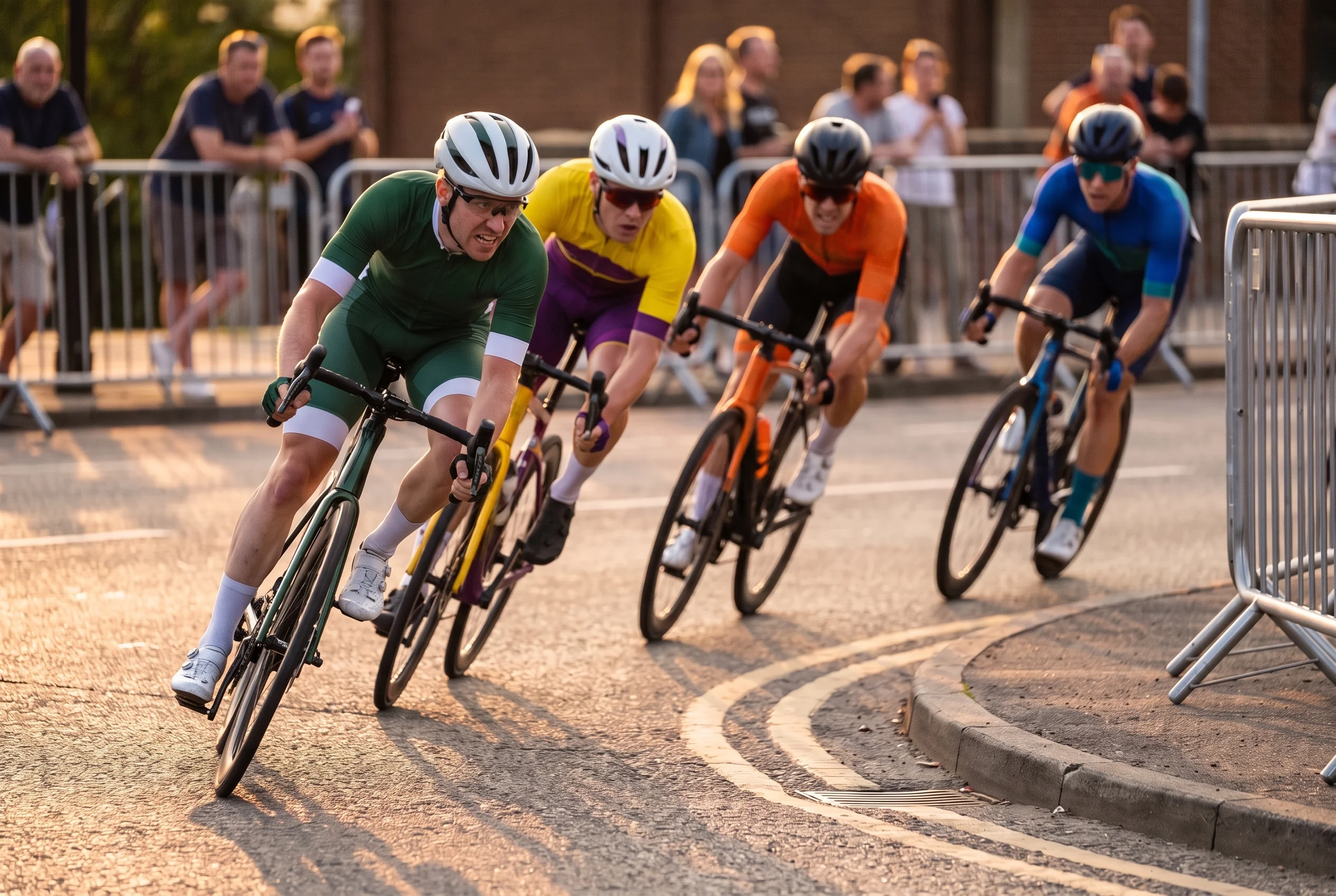
The front is cut shorter so it does not gather at the stomach when the rider bends forward. The back is cut longer so it covers the lower back with the rider low on the bike.
The sleeve is set into the body at the angle of an arm reaching forward to the bars, so the shoulder does not bunch and the sleeve does not pull back.
The collar drops at the front so it sits clear of the throat when the rider's head is up and the torso is low.
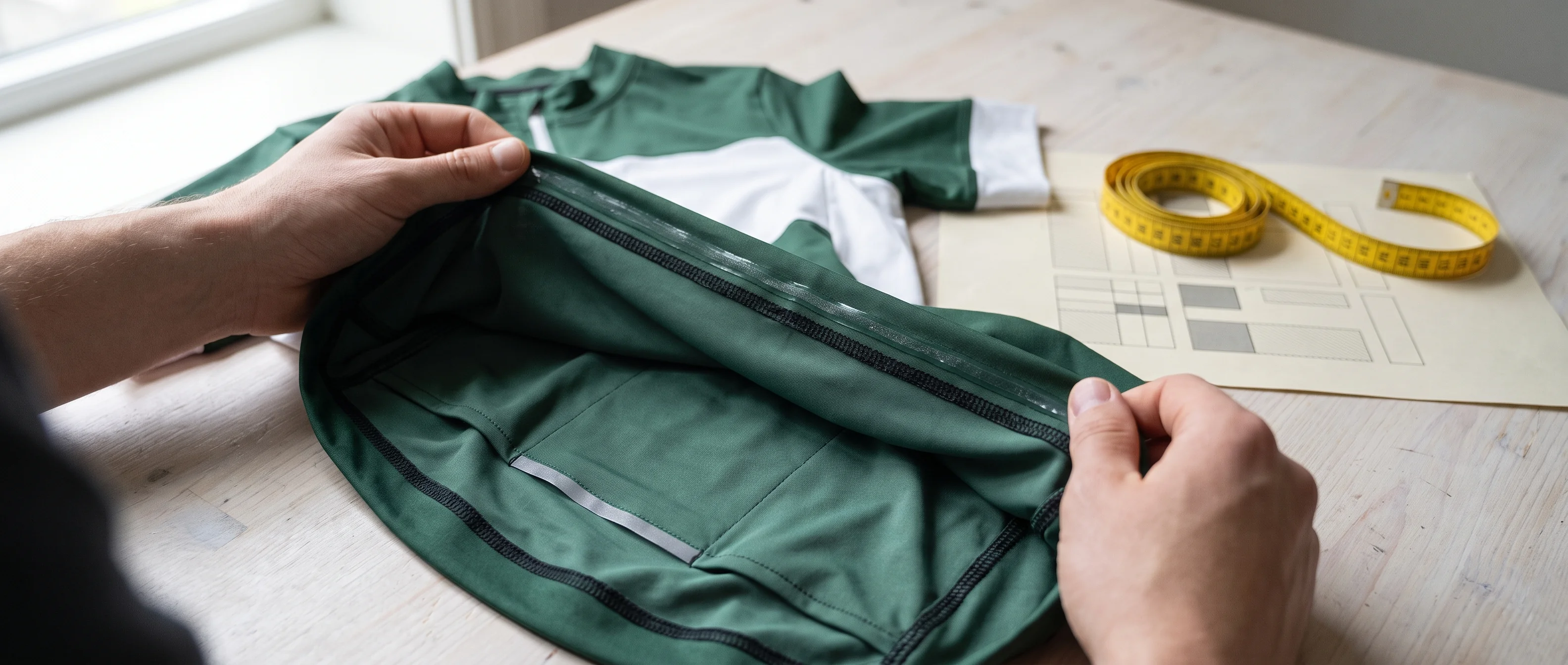
The back hem carries a silicone gripper so it stays in place at the waist, including with loaded pockets.
Each panel is assigned a base fabric, confirmed by you, so the close fit holds across the panels that stretch most in the riding position.

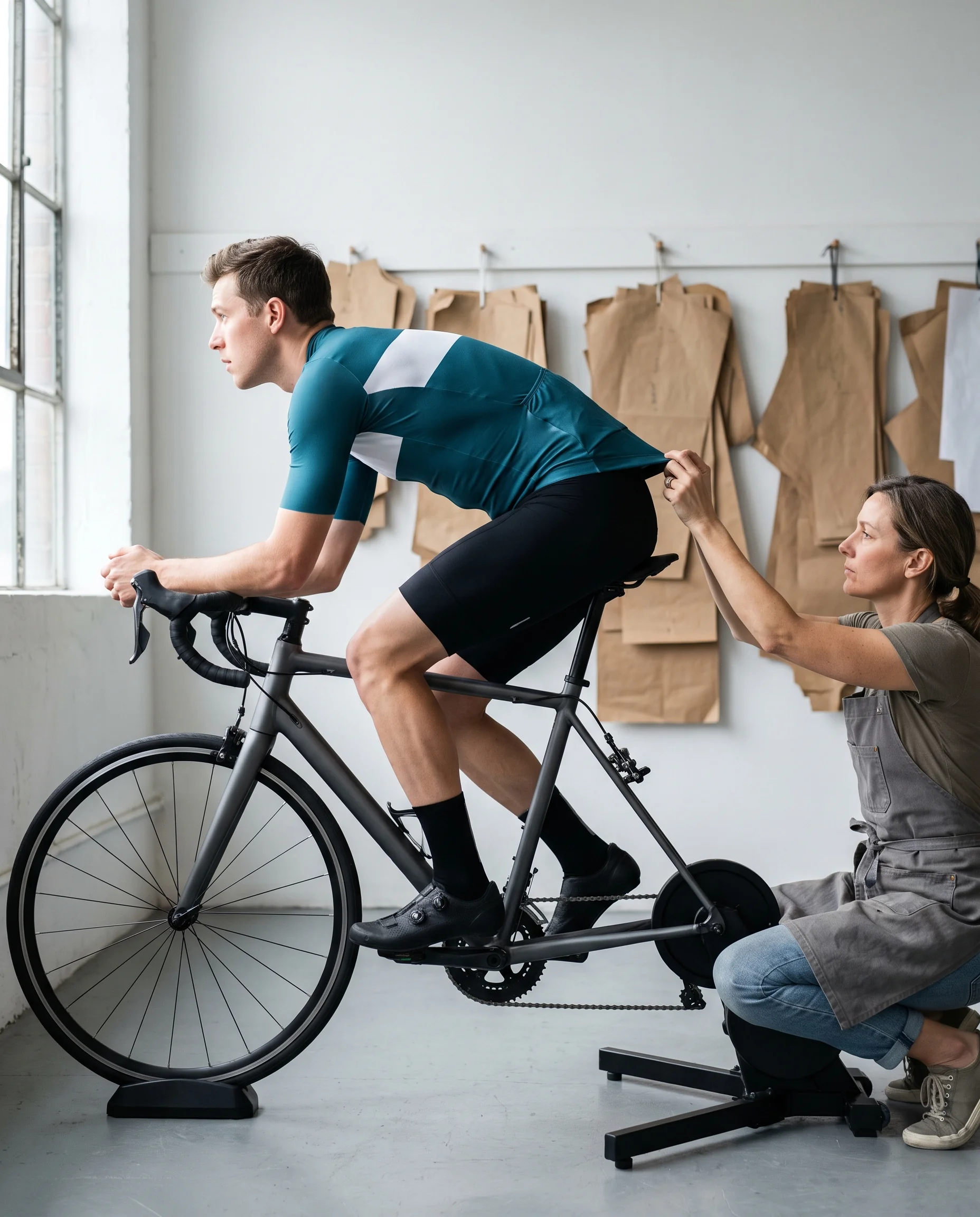
We check bike jersey fit on the bike. The jersey is drafted on the riding block, then checked with the rider in race position before the fit is signed. Measurements on the flat garment go on the measurement report; the fit check on the bike goes on the sign-off.
Ease values, lengths and tolerances for your jersey are set from your size chart and fit brief, and recorded in the spec pack for your range and your riders.
Every race fit jersey sample is checked on the bike in race position before it leaves the studio. The pattern maker runs the check and signs the fit only when every item passes.
If an item fails, the sample stays with us and the item goes back to the pattern maker, named against the panel that has to change.
The items checked on every sample, and where a failed item goes back to:
The hem holds its place at the waist and does not lift
Back panel length or gripper position
The front neckline sits clear of the throat
Front neckline and collar piece
The sleeve end lies flat on the upper arm
Sleeve panel and sleeve end
Shoulder movement is not restricted
Sleeve head angle and shoulder line
A pocket opening can be reached with one hand in race position
Pocket line on the back panel
The sleeve covers the wrist
Sleeve length on the sleeve panel
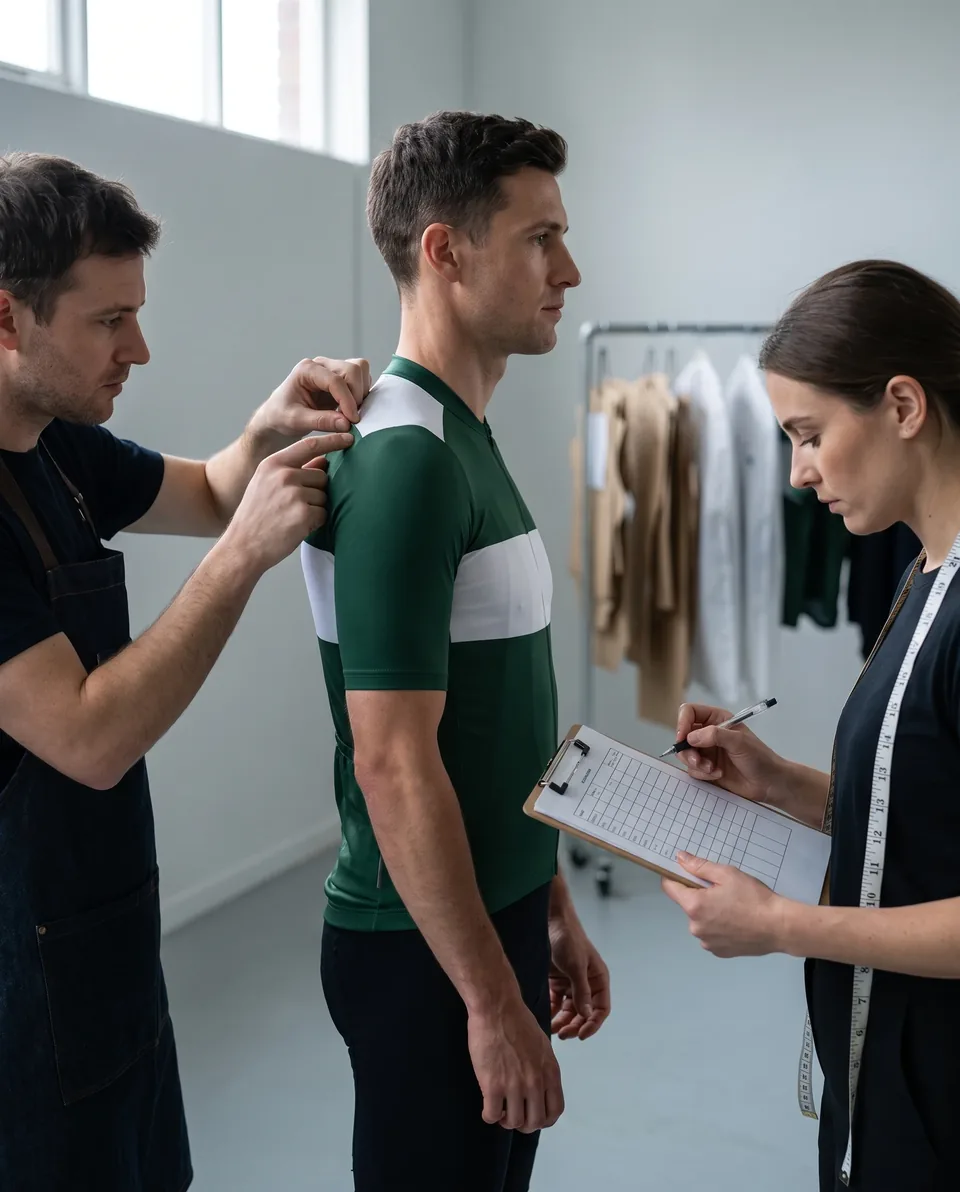
The fit sign-off sits on the measurement report. It lists each item above, line by line, with a pass or return mark. A returned item names the panel it went back to. The sample technician signs the measurements on the same report; the pattern maker signs the fit.
The pattern maker changes the named panel on the riding block, the sample technician sews a new sample from the corrected panel, and the full check runs again on the bike. Only a sample with every item marked pass is sent to you.
Feedback from your own test riders comes in after you receive the sample. It is recorded in the same way, against a panel, and becomes the starting point of the next revision round.
You receive the measurement report with the itemised fit sign-off. Put the sample on your own test rider, run the same items in race position, and compare your result with each line we signed.
Each zone of the race fit jersey is drawn on the riding block and marked on the panel map. This is how each zone is cut and why.
You receive the panel map with the front length, back length, collar line and pocket line drawn on it. Lay the front and back panels side by side, or lay your current standing-cut pattern over ours, and each of these lines can be read straight from the paper.
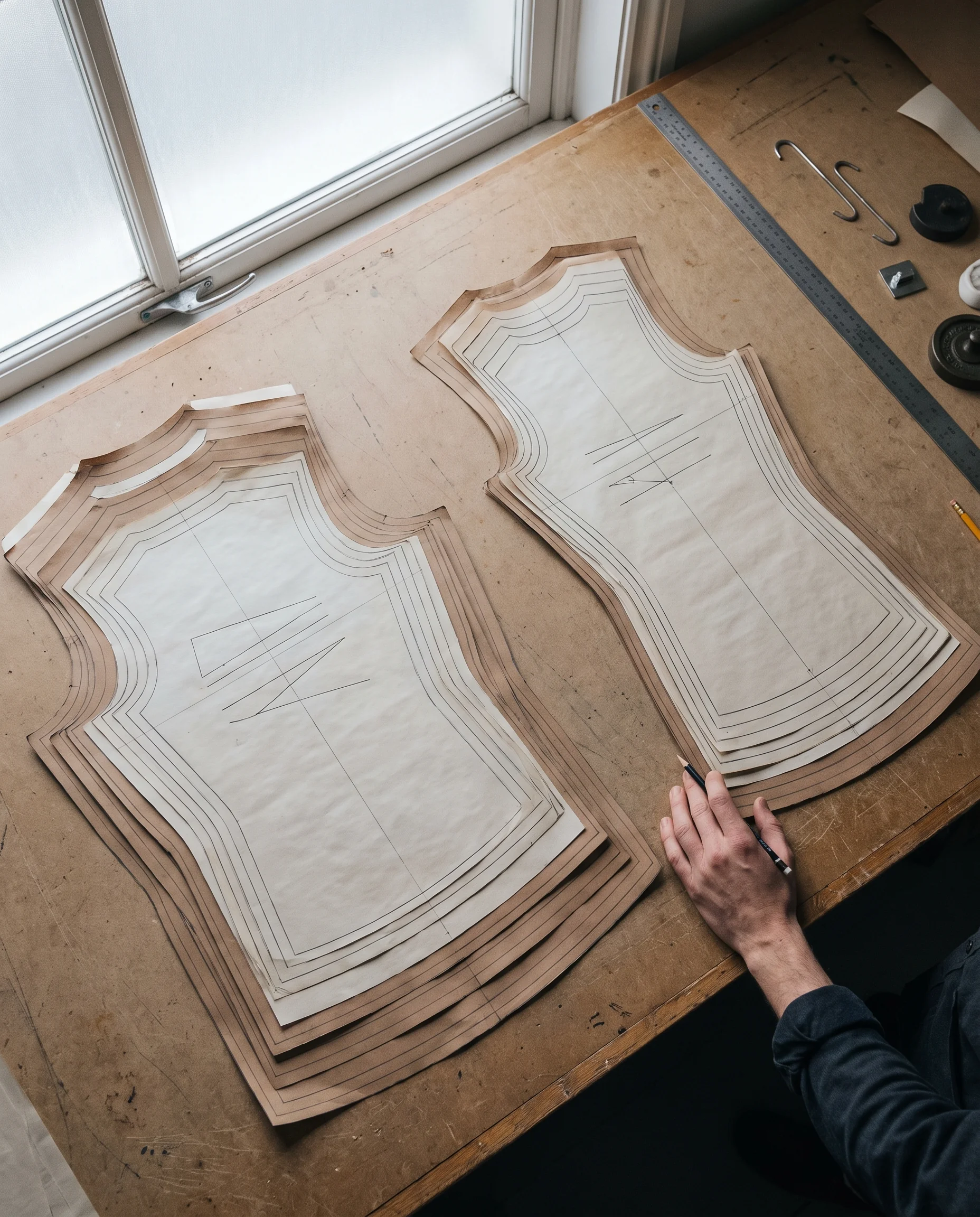
We grade the race fit jersey to the size chart and size range you confirm. Each size on your chart becomes a size in the graded pattern, and every sample is measured point by point against it.
You set it. A brief without a size range goes back to you before work starts, with a note from the development manager saying what is needed.
We draft a separate base block for each version you ask for, and each version is graded to its own size chart.
The size chart you confirmed decides. The pattern maker decides fit within it.
You receive the graded pattern files for every size on your chart and the measurement report for each sample, with every point of measure, its target and the reading.
The short sleeve and the long sleeve race fit jersey share the same riding block for the torso, collar, hem and pockets. The patterns differ at the sleeve, the fabric and the check.

A brand or federation developing both versions gets one riding block for the torso and two sleeve patterns, so the two jerseys match through the body and differ only where the sleeve and fabric require it.
Which version fits which temperature band is set out on our cycling layering system by temperature page.

Send your size chart, the versions you need and the race formats the jersey is for.
A sample takes 5–7 days. The first 2 revision rounds carry no additional sampling fee.
Each revision round on a race fit jersey starts from a written line in the revision log: which panel is changed, what is changed and why. Feedback from your test riders goes into the log in the same form. Examples of how rider feedback becomes a panel change:
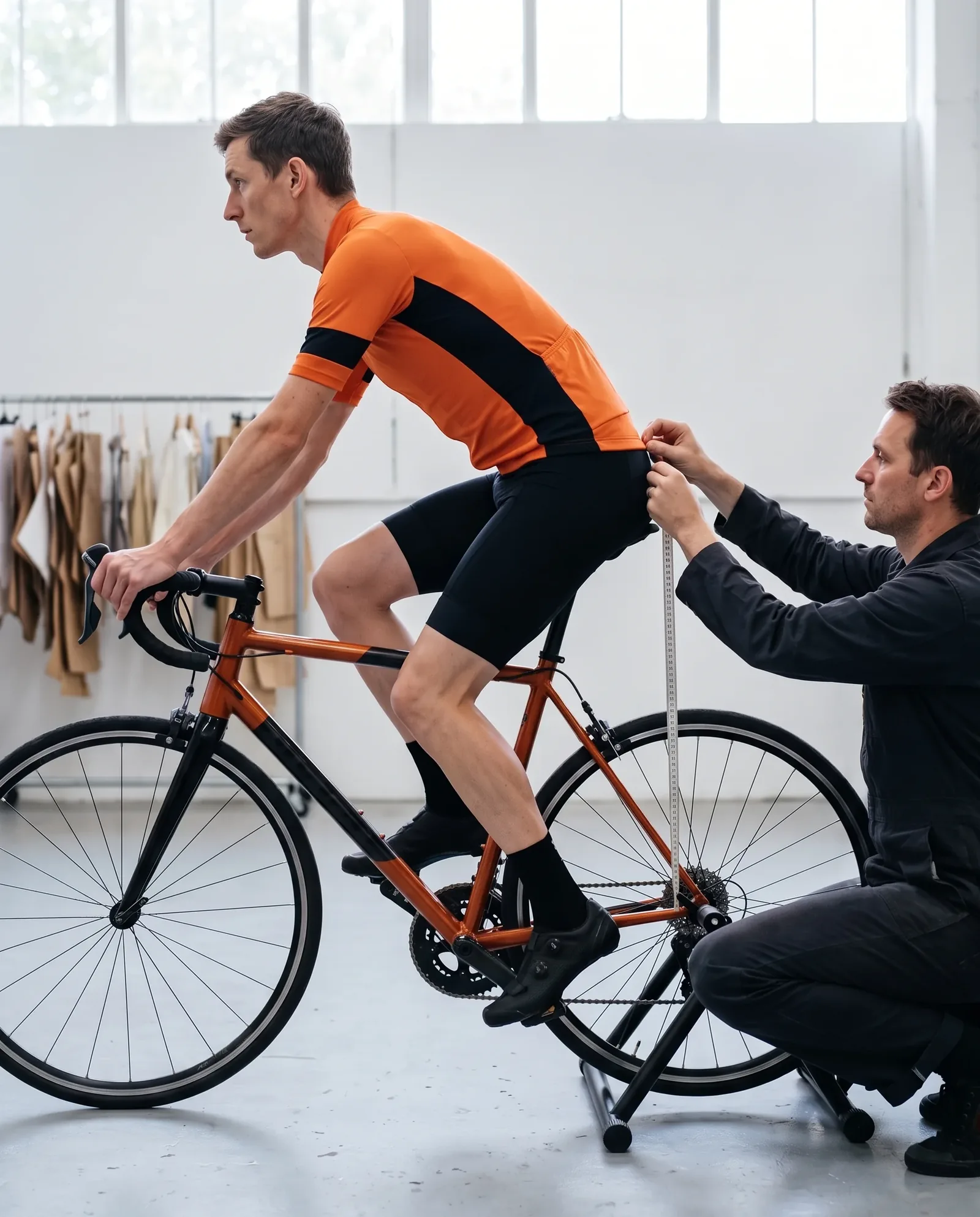
"The back lifts in the drops."
The back panel is lengthened, or the gripper position is moved on the placement sheet.
"I can't reach the pocket."
The pocket line is moved on the back panel.
"The collar presses on my throat."
The front neckline is lowered on the front panel.
"The long sleeve pulls off the wrist on the hoods."
The sleeve is lengthened on the sleeve panel.
Each revised sample arrives with its revision log, so you can compare the new sample with the previous panel map and see that only the logged panels have changed. A change you make to a spec you already confirmed opens a new sampling round and is logged the same way.
Criterium race line for a European race cycling brand. The brand's race fit jersey went through 3 rounds of sample iteration on our riding block. Each round changed only the panels named in the revision log, and the jersey block confirmed in the last round went into the spec pack the brand runs on its own production line.
You receive the revision log with every revised sample and in full at handoff. Check each logged change against the sample in your hands.

A race fit cycling jersey is one of three jersey patterns a brand, federation or team usually considers. This is how they compare and where each one is developed.
| Compared on | Race fit jersey (this page) | Club fit jersey | Aero jersey development |
|---|---|---|---|
| Pattern basis | Riding-position block | Relaxed block for long rides and club riding | Riding-position block with fabric and panel work for lower drag |
| Fit on the body | Close through torso and sleeves | Looser through torso and sleeves | Close, with fabric and panels chosen for drag |
| Front and back length | Shorter front, longer back | Closer to an even length | Shorter front, longer back |
| Typical use | Road races, criteriums, fast group rides | Club rides, long days, mixed riding | Races where speed in a held position is the brief |
| Where it is covered | Here, on procyclingapparel.com | Club fit cycling jersey sizing on teamcyclingkits.com, for team ordering | Aero cycling jersey development |
For a men's cycling jersey with an aero fit, the pattern starts on the riding block described here, and the drag work continues on the aero development page. A relaxed club fit jersey and its team ordering are handled at teamcyclingkits.com.
The usual practice at a generalist OEM is to keep the pattern and ship you a sample.
We hand you the files that hold the race fit, so any production line can build the same jersey from them.
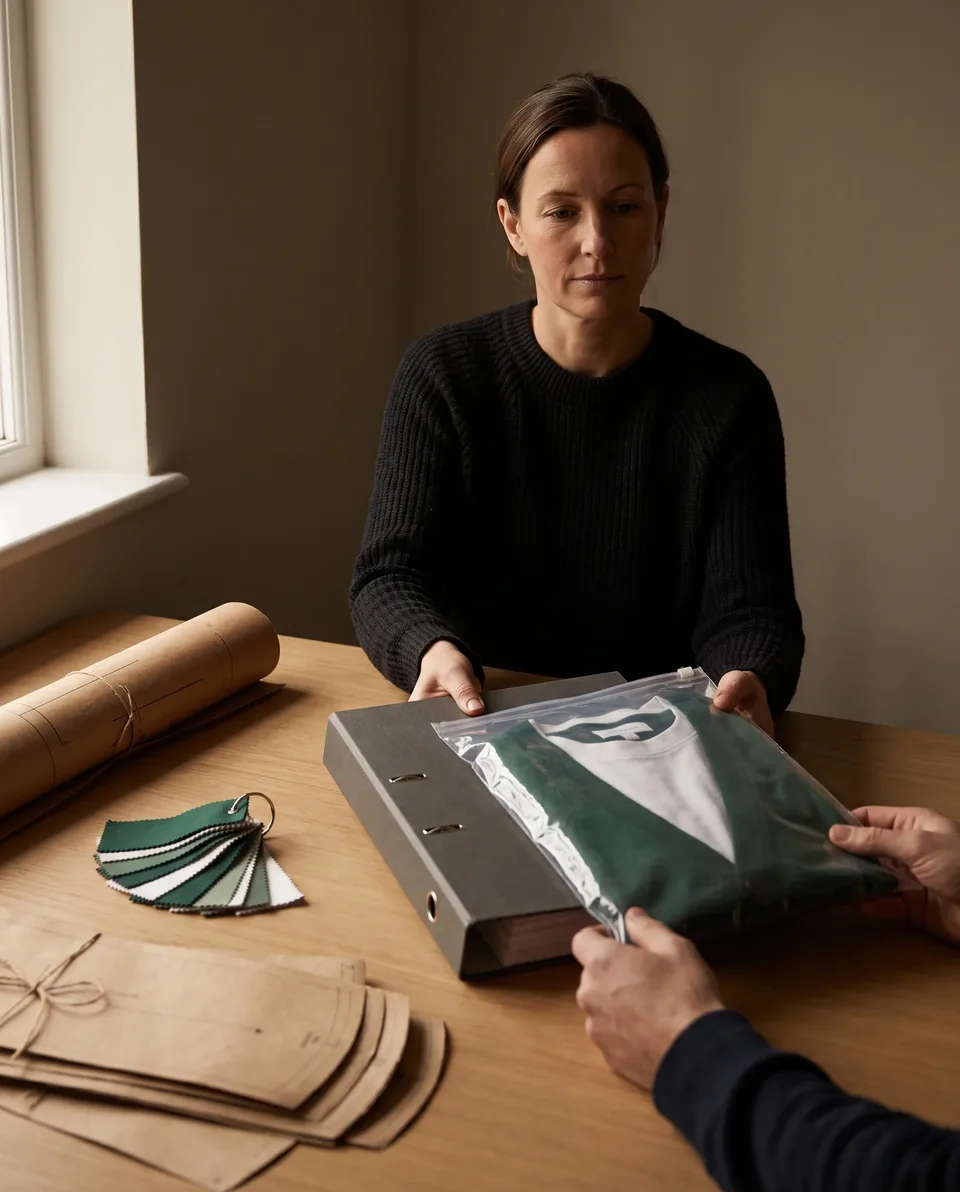
The parts of the spec pack that carry the race fit:
The riding block with the shorter front, longer back, dropped front collar, rotated sleeve head and pocket line drawn on the panels.
Every size on your confirmed size chart, for each version you asked for, men's or women's.
Every seam on the jersey listed by seam type: flatlock in contact zones, four-thread overlock on main body joins.
Gripper position at the hem, reflective positions at the pocket opening or elsewhere, and every logo and print position.
The base fabric for each panel, in the form you confirmed.
Your confirmed chart, and a signed colour card with colour parameters for every base fabric in the jersey.
The approved sample, the one the documents describe.
Your own production line cuts, sews and decorates from it directly. If you place bulk through our sister site cyclingapparelfactory.com, it runs from the same pack. You own the files and the full revision log, and next season's jersey is developed from this same pack.
Your jersey files stay in your project and are not reused for another client. An NDA can be signed before development starts.
You receive the full spec pack at handoff. Turn the approved sample inside out and check each seam against the seam description, check the gripper against the placement sheet, then have your own line build one jersey from the files and lay it beside the sample.
Each panel of the race fit jersey is assigned a base fabric, and the assignment is written into the fabric-by-panel sheet for you to confirm. The pattern maker proposes the assignment from your brief and race conditions, and your confirmation fixes it.
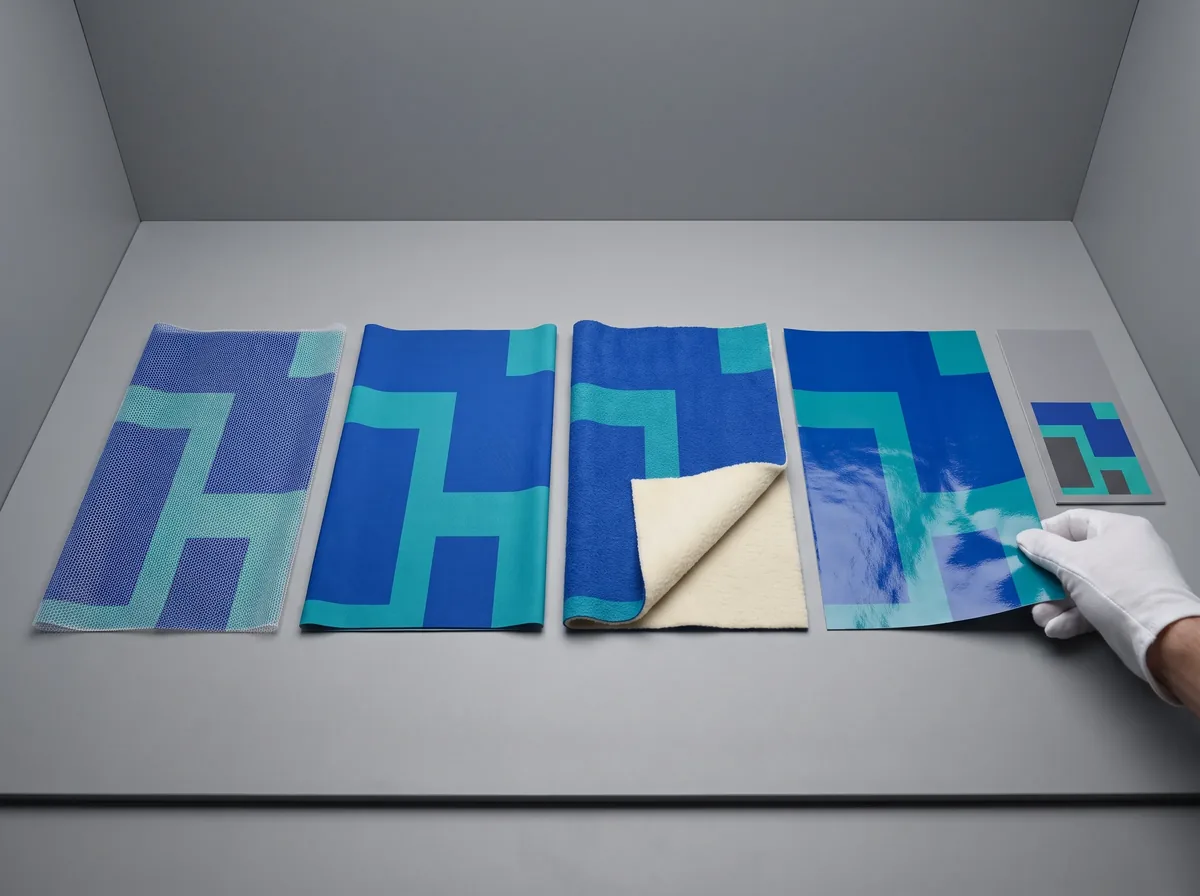
The fabrics are binary nylon-spandex in 88/12, 90/10 or 91/9. For a jersey the choice is between four base fabrics:
When a jersey uses more than one base fabric, every fabric is printed and matched to your colour standard and gets its own signed colour card, so the front panel and the side panel match on the finished jersey.
How prints and decoration hold up over a season is covered on our race kit decoration durability page.
The jersey fabrics are certified to OEKO-TEX® STANDARD 100, and the development work, from riding block to spec pack, is run under ISO 9001:2015. Copies of both certificates can be sent for your compliance and QA review.
Copy this list into your enquiry and fill in what you have:

If the size range or the race conditions are missing, the development manager writes back naming what is needed before the review starts.
If part of the brief belongs to another entry point, such as bulk scheduling or team ordering, the reply names where it goes.
These garments and pages sit around the race fit jersey, on the same colour standard.

cut to sit close over the race fit jersey.
sized to pair with the short sleeve end of the jersey.
for races and events below the long sleeve jersey's range.
base fabric choices by panel.
how prints and decoration hold up.
which garments go with which temperature band.

Send your size chart, the versions you need and your fit brief. You hear back from the development manager within 24 hours on working days, with confirmation of what the feasibility review will cover.